



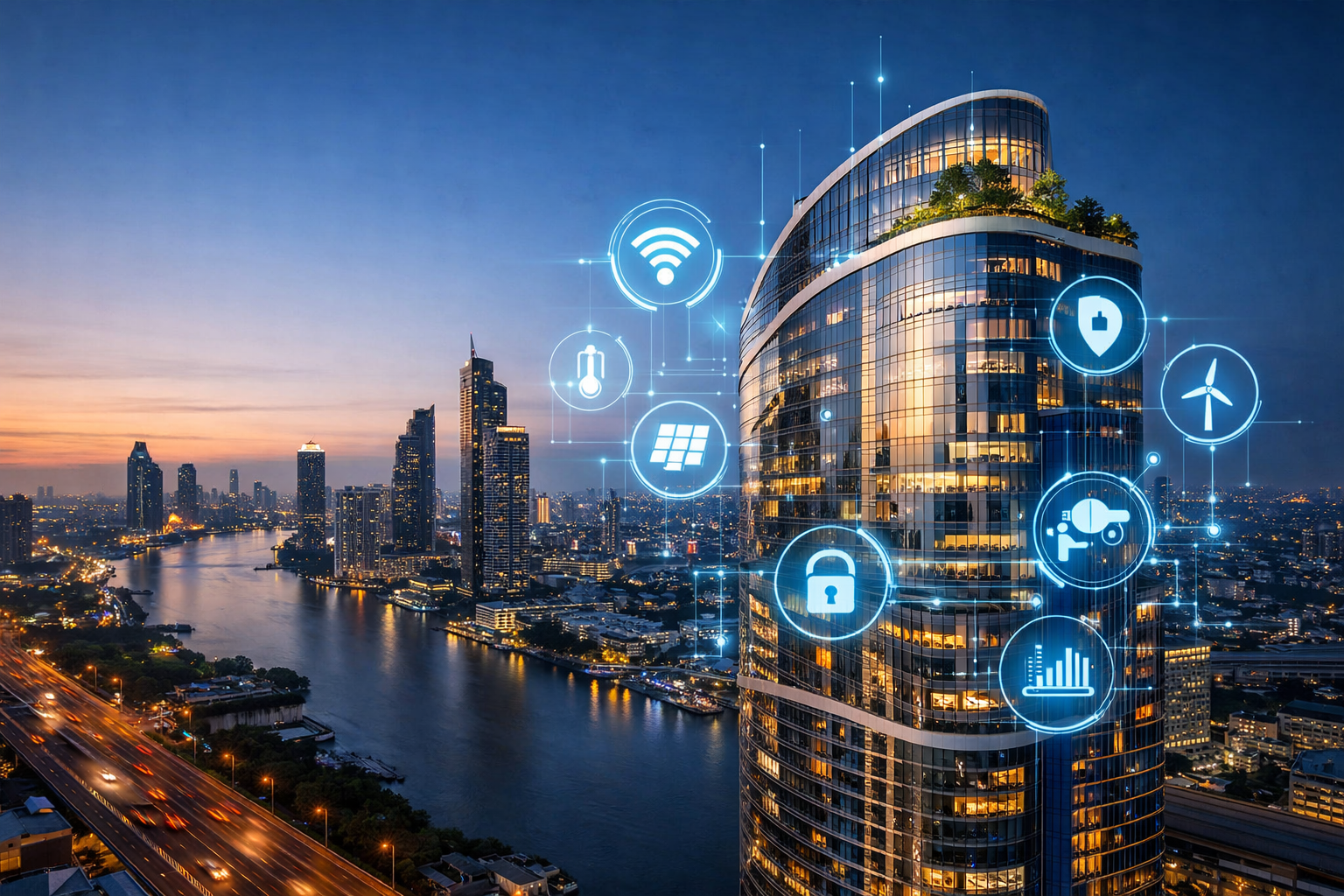
Cities are evolving faster than ever. Rapid urbanisation, rising energy demands, and changing lifestyle expectations are pushing city planners, architects, and developers to rethink how buildings function. At the centre of this transformation is a powerful concept: smart buildings.
More than just structures with sensors and automation, smart buildings are redefining how people live, work, and interact with urban spaces. From energy efficiency and sustainability to safety and everyday comfort, smart buildings are quietly reshaping modern city life.
What Are Smart Buildings?
Smart buildings use advanced technologies—such as the Internet of Things (IoT), artificial intelligence (AI), and data analytics—to monitor, manage, and optimise building operations in real time.
Unlike traditional buildings, smart buildings don’t simply react to human input. They learn, adapt, and improve over time by analysing usage patterns, environmental conditions, and occupant behaviour.
Key systems typically include:
- Smart lighting and climate control
- Automated security and access systems
- Energy management platforms
- Predictive maintenance technologies
Together, these systems create buildings that are not only more efficient but also more responsive to human needs.
Transforming Energy Efficiency in Cities
One of the most significant ways smart buildings are changing urban living is through energy optimisation.
Smart sensors continuously track occupancy, temperature, and daylight levels. This allows lighting and HVAC systems to adjust automatically—reducing energy waste without compromising comfort.
In dense cities where buildings consume a major share of electricity, this impact is huge:
- Lower energy bills for residents and businesses
- Reduced strain on urban power grids
- Significant cuts in carbon emissions
Over time, energy-efficient smart buildings play a critical role in helping cities meet climate and sustainability goals.
Enhancing Everyday Comfort and Convenience
Urban life can be stressful, but smart buildings are designed to make daily living smoother and more comfortable.
Residents can control lighting, temperature, and even window shades from a smartphone. Elevators predict peak usage times, reducing wait times. Smart parking systems guide drivers directly to available spots, cutting down traffic congestion within buildings.
These seemingly small improvements add up—saving time, reducing frustration, and improving overall quality of life in busy city environments.
Improving Safety and Security
Safety is a major concern in urban areas, and smart buildings offer a new level of protection.
Advanced surveillance systems use AI-powered video analytics to detect unusual activity in real time. Smart access controls limit entry to authorised individuals, while integrated alarm systems can instantly alert emergency services.
In residential buildings, these technologies provide peace of mind. In commercial spaces, they protect both people and valuable assets—making cities safer without relying solely on human monitoring.
Supporting Sustainable Urban Development
Sustainability is no longer optional for modern cities. Smart buildings actively support eco-friendly urban growth.
Many smart buildings integrate renewable energy sources such as solar panels and energy storage systems. Water management technologies monitor consumption and detect leaks early, preventing waste.
By using data to inform decision-making, cities can reduce resource consumption while maintaining high living standards—an essential balance as urban populations continue to grow.
Smarter Maintenance, Lower Long-Term Costs
Traditional buildings often rely on reactive maintenance—fixing things after they break. Smart buildings take a different approach.
Predictive maintenance systems monitor equipment performance in real time. When a system shows early signs of failure, building managers are alerted before a breakdown occurs.
This results in:
- Fewer unexpected disruptions
- Lower repair costs
- Longer lifespan for building systems
For urban developments, this efficiency translates into long-term economic benefits.
Redefining Workspaces and Urban Productivity
Smart buildings are also reshaping how people work in cities.
Modern offices use occupancy data to optimise space usage, improve air quality, and enhance employee comfort. Studies consistently show that better indoor environments lead to higher productivity, improved focus, and better overall well-being.
As hybrid and flexible work models become the norm, smart buildings provide the adaptability modern businesses need.
The Role of Smart Buildings in Future Cities
Smart buildings are not standalone innovations—they are essential components of smart cities.
By connecting buildings with transportation systems, energy grids, and public services, cities can operate more efficiently as a whole. Data collected from smart buildings helps city planners make better decisions about infrastructure, zoning, and sustainability strategies.
In the future, urban living will be less about concrete and steel—and more about intelligence, adaptability, and human-centric design.
Challenges and Considerations
While the benefits are clear, smart buildings also come with challenges:
- Data privacy and cybersecurity concerns
- High initial investment costs
- Need for skilled professionals to manage systems.
However, as technology advances and adoption increases, these barriers are steadily decreasing—making smart buildings more accessible than ever.
Conclusion
Smart buildings are changing urban living in profound ways. They reduce energy consumption, enhance comfort, improve safety, and support sustainable city growth. More importantly, they put people at the centre of urban design—creating environments that respond to human needs rather than forcing humans to adapt.
As cities continue to expand, smart buildings will no longer be a luxury. They will be a necessity for healthier, more efficient, and more livable urban futures.