



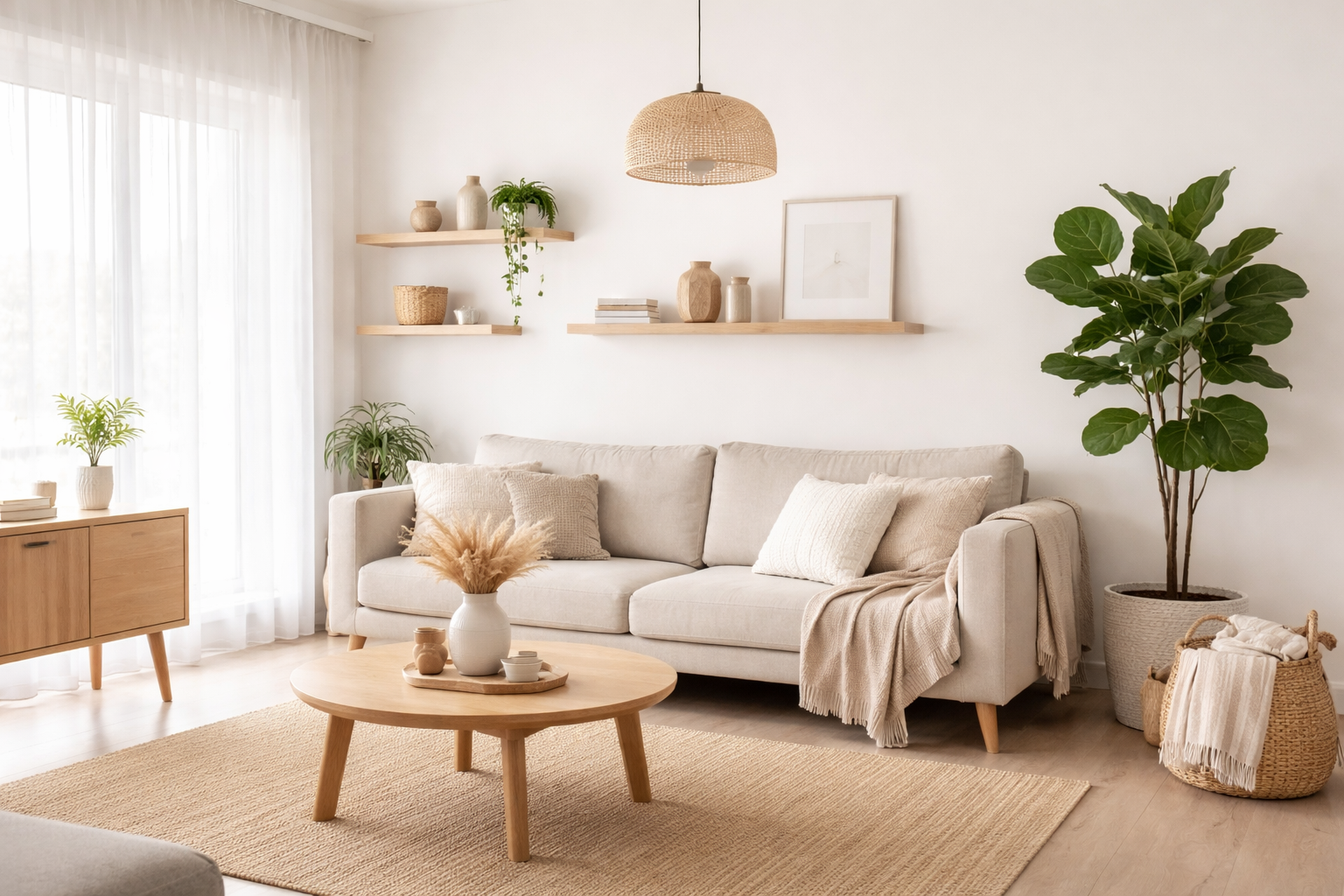
Modern life is loud. Endless notifications, crowded schedules, overstuffed closets, and the constant pressure to “keep up” can quietly drain our energy. This is exactly why minimalist living has become more than just a trend—it’s a lifestyle choice rooted in intention, clarity, and freedom.
Minimalism isn’t about owning nothing or living in an empty white room. It’s about making space for what actually matters by removing what doesn’t. In this guide, you’ll discover the real benefits of minimalist living and practical tips you can start using today—without feeling overwhelmed or deprived.
What Is Minimalist Living?
Minimalist living is the practice of intentionally simplifying your life by reducing excess possessions, commitments, and mental clutter. The goal isn’t perfection—it’s alignment.
At its core, minimalism asks one question:
Does this add value to my life?
If the answer is no, it may be time to let it go.
Minimalism can apply to:
- Your home and possessions
- Your schedule and obligations
- Your digital life
- Your spending habits
- Even your mindset
The Real Benefits of Minimalist Living
1. Less Stress, More Mental Clarity
Clutter competes for your attention—even when you don’t realize it. A simplified environment reduces decision fatigue and creates a sense of calm. Many people notice they think more clearly and feel less anxious once their surroundings are decluttered.
A clean, intentional space allows your mind to rest.
2. More Time for What Matters
Minimalism removes unnecessary distractions. When you’re not constantly cleaning, organizing, shopping, or maintaining excess stuff, you gain back time—time you can invest in relationships, hobbies, health, or rest.
Time is one of minimalism’s most underrated rewards.
3. Financial Freedom and Smarter Spending
Minimalist living naturally encourages mindful consumption. Instead of impulse purchases, you focus on quality over quantity. This often leads to:
- Lower monthly expenses
- Less debt
- More savings
- Reduced financial stress
You stop buying things to impress others and start buying things that truly serve you.
4. A More Intentional, Purpose-Driven Life
When you remove the nonessential, what remains becomes clearer. Minimalism helps you reconnect with your values and make choices that align with who you are—not who society expects you to be.
This sense of purpose is what keeps many people committed to minimalist living in the long term.
5. Easier Home Maintenance
Fewer items mean:
- Faster cleaning
- Easier organization
- Less visual noise
Your home becomes a place to recharge rather than another source of stress.
Practical Tips to Start Minimalist Living (Without Feeling Overwhelmed)
1. Start Small—One Area at a Time
You don’t need to declutter your entire house in a weekend. Begin with one drawer, one shelf, or one category (like clothes or kitchen tools).
Small wins build momentum.
2. Use the “Use It or Lose It” Rule
If you haven’t used something in the past year—and it doesn’t serve a clear purpose—it may be time to let it go. This rule helps cut through emotional attachment and “just in case” thinking.
3. Declutter With Intention, Not Guilt
Minimalism is not about punishing yourself for past purchases. It’s about learning and moving forward. Release items with gratitude for what they taught you, then refocus on intentional choices.
4. Simplify Your Wardrobe
A minimalist wardrobe doesn’t mean boring—it means versatile. Keep clothes that:
- Fit well
- Match your lifestyle
- Make you feel confident.
Fewer clothing options often lead to faster decisions and better outfits.
5. Reduce Digital Clutter
Minimalist living isn’t just physical. Consider:
- Unsubscribing from unnecessary emails
- Deleting unused apps
- Organizing digital files
- Limiting social media time
Digital simplicity can significantly improve focus and mental health.
6. Be Mindful of New Purchases
Before buying something new, pause and ask:
- Do I truly need this?
- Will this add long-term value?
- Do I already own something similar?
Minimalism isn’t about never buying—it’s about buying with intention.
7. Create Space for Joy, Not Emptiness
Minimalist homes should feel warm, personal, and lived-in. Keep items that:
- Reflect your personality
- Hold meaningful memories
- Support your daily life.
Minimalism is subtraction with purpose, not emptiness for its own sake.
Common Myths About Minimalist Living
Myth 1: Minimalism is extreme
Reality: It’s flexible and personal.
Myth 2: You have to get rid of everything
Reality: You keep what adds value.
Myth 3: Minimalism is only for certain people
Reality: Anyone can benefit, regardless of income, family size, or lifestyle.
Is Minimalist Living Right for You?
Minimalist living may be worth exploring if you:
- Feel overwhelmed by clutter.
- Want more freedom and flexibility.
- Are you tired of constant consumption?
- Crave a calmer, more intentional life.
It’s not about copying someone else’s version of minimalism—it’s about creating your own.
Final Thoughts: Minimalism Is a Journey, Not a Destination
Minimalist living is not a one-time decluttering project. It’s an ongoing process of choosing intention over excess and meaning over noise.
Start where you are. Go at your own pace. Let minimalism support your life—not control it.
Sometimes, the most powerful change isn’t adding more—but letting go.