



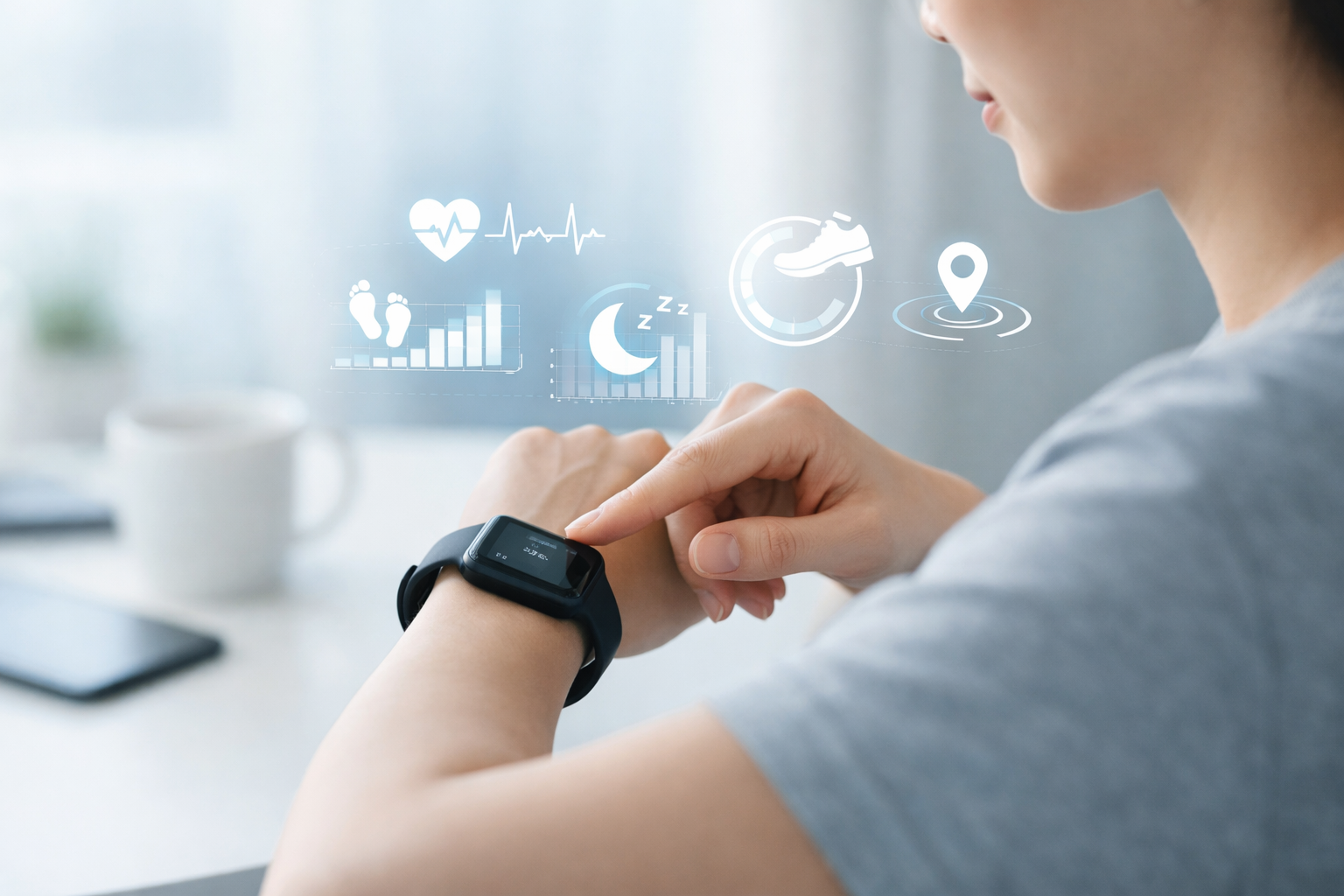
Wearable gadgets have moved far beyond being trendy accessories. What once started as simple step counters has evolved into powerful, everyday tools that influence how we move, sleep, work, and take care of our health. These gadgets, which range from fitness bands and smartwatches to smart rings and wearables that track health, are subtly changing contemporary lifestyles.
This article explores how wearable gadgets are changing daily life, why their adoption is accelerating, and how they are becoming an essential part of everyday routines.
The Growing Presence of Wearable Technology
Wearable technology is now deeply integrated into daily life because it offers convenience without disruption. Unlike smartphones or laptops, wearables don’t demand constant attention. They collect data, provide insights, and deliver reminders in the background.
Advances in battery life, sensor accuracy, and sleek design have made wearable gadgets comfortable enough to wear all day—and useful sufficient to rely on daily.
How Wearable Gadgets Are Transforming Health Monitoring
Wearable technology has a significant impact on people’s knowledge of their own health.
Continuous Health Tracking
Modern wearables track key health metrics, including heart rate, physical activity, sleep quality, blood oxygen levels, and stress indicators. This real-time monitoring helps users recognize patterns and make informed lifestyle adjustments.
Supporting Preventive Care
Instead of waiting for symptoms to appear, wearable gadgets encourage early action. Alerts for irregular heart rhythms, poor sleep trends, or prolonged inactivity help users respond before small issues become serious problems.
For many people, wearables serve as everyday health companions rather than medical devices used only when something feels wrong.
Encouraging Fitness and Active Lifestyles
Wearable gadgets have fundamentally changed how people approach fitness.
Building Consistent Habits
Users are encouraged to remain active throughout the day via daily step objectives, activity reminders, and progress tracking. Even small movements become meaningful when tracked consistently.
Personalized Fitness Insights
Wearables analyze activity data to suggest workouts, recovery periods, and training intensity. This personalization helps users improve performance while reducing the risk of injury.
Fitness becomes less about rigid routines and more about sustainable movement that fits real life.
Improving Sleep and Daily Energy Levels
Sleep is a critical part of overall well-being, and wearable devices have made it easier to understand sleep quality.
Wearables track sleep duration, sleep stages, nighttime movement, and resting heart rate. These insights help users identify habits that improve or disrupt rest.
Better sleep awareness often leads to better energy, improved mood, and stronger focus throughout the day—showing how wearables influence daily life even when users are asleep.
Boosting Productivity and Time Management
Wearable gadgets also help improve focus and productivity.
Staying Connected Without Distraction
Smartwatches allow users to receive important notifications, calls, and reminders without constantly checking their phones. This reduces screen dependency and helps maintain attention during work or personal time.
Smart Daily Reminders
Simple prompts to stand, hydrate, breathe, or take short breaks can significantly improve mental clarity and reduce burnout over time.
Enhancing Safety and Peace of Mind
Safety is another area where wearable gadgets are changing daily life.
Many devices include features such as fall detection, emergency SOS alerts, location sharing, and medical ID access. These tools are especially valuable for older adults, people with medical conditions, and individuals who live alone or spend time outdoors.
Wearables offer reassurance not just to users, but also to their families.
Changing the Way We Interact With Technology
Wearable gadgets are helping create healthier digital habits.
By offering quick, glanceable information and voice-based interactions, wearables reduce the need for constant phone use. They integrate seamlessly with smartphones, smart homes, and health apps, creating a more natural and less intrusive tech experience.
The Future of Wearable Gadgets
The future of wearable technology looks even more transformative. Innovations are moving toward non-invasive health monitoring, mental wellness tracking, smart clothing, and AI-driven health predictions.
As wearables become more discreet and intelligent, they will continue shifting from optional accessories to essential lifestyle tools.
Frequently Asked Questions (FAQs)
What are wearable gadgets?
Smartwatches, fitness trackers, smart rings, and health-monitoring bands are examples of wearable electronics, electronic devices designed to be worn on the body. They collect real-time data and provide insights related to health, fitness, productivity, and daily activities.
How are wearable gadgets changing daily life?
Wearable gadgets are changing daily life by helping people monitor their health, stay active, improve sleep, manage stress, and stay connected without constantly using smartphones. They provide real-time feedback that supports healthier daily decisions.
Are wearable devices only for fitness tracking?
No, wearable devices are used for much more than fitness. They also support heart health monitoring, sleep analysis, stress management, productivity tools, and personal safety features.
Can wearable gadgets really improve health?
Yes, wearable gadgets can improve health by encouraging movement, promoting better sleep, tracking vital signs, and increasing awareness of daily habits. They are especially effective for preventive health and lifestyle management.
Are wearable gadgets safe for everyday use?
Wearable gadgets are generally safe for daily use when used according to the manufacturer’s guidelines. They are designed for long-term wear and tested to meet safety standards.
How accurate are wearable health trackers?
Wearable health trackers are increasingly accurate for metrics like steps, heart rate, and sleep patterns. While not a replacement for medical equipment, they provide valuable trends and insights.
Do wearable gadgets need a smartphone?
Some wearable gadgets work independently for basic tracking, but most advanced features—such as detailed reports and app syncing—require a smartphone connection.
What types of wearable gadgets are most popular?
The most popular wearables at the moment are smartwatches, fitness bands, smart rings, and health-focused wearables, thanks to their adaptability and ease of use.
How do wearable gadgets help with productivity?
Wearable gadgets improve productivity by offering reminders, calendar alerts, task notifications, and focus-friendly features that reduce phone distractions.
What is the future of wearable technology?
The future includes smarter health predictions, AI-driven insights, non-invasive medical monitoring, and deeper integration into daily life.
Final Thoughts
Wearable gadgets are changing daily life in subtle but powerful ways. They help people understand their bodies, stay active, sleep better, manage time, and feel safer—without demanding constant attention.
As technology evolves, wearable devices will become even more personal, proactive, and seamlessly integrated into everyday life.